Table of Contents
Wall plastering is an essential part of construction and home improvement, providing the smooth finish needed for both looks and functionality. Whether you’re a professional or working on a DIY plastering project, learning how to plaster walls properly can greatly improve your work.
This guide will give you the knowledge, tips, and methods you need to become skilled at wall plastering. You’ll discover everything from getting ready to add the final touches, to making sure your projects go above and beyond what people expect. Whether you’re improving your abilities or starting fresh, this guide will be your main resource for wall plastering.
Preparation for Wall Plastering
Proper surface preparation is essential for achieving a professional finish in wall plastering. Ensuring that the surface is ready can prevent issues like poor adhesion and uneven texture.
Importance of Preparing the Surface
A well-prepared surface allows the plaster to adhere better, minimizing the risk of cracks and ensuring a smooth application. Starting with a clean and stable base leads to a more durable finish.
Steps to Remove Existing Plaster and Wallpaper
- Assess Condition: Check if the existing plaster can be patched or if complete removal is necessary.
- Strip Wallpaper: Use a wallpaper steamer or a scoring tool followed by a stripping solution.
- Remove Loose Plaster: Chip away loose areas using a chisel and hammer, ensuring not to damage the underlying structure.
Assessing and Managing Wall Suction
Wall suction refers to how quickly a surface absorbs moisture from plaster. High suction walls (like dry bricks or porous concrete) can draw out water too fast, causing plaster to dry prematurely, crack, or fail to bond. Low suction walls (like painted or dense surfaces) may cause poor adhesion.
Before applying plaster, it’s advisable to test the wall’s suction to save you time, effort, and materials. Here’s a simple way to do it:
- Dampen the Wall – Lightly mist a small area with clean water.
- Observe Absorption – If the water disappears within a few seconds, your wall has high suction. If it sits on the surface or takes a while to absorb, it’s low suction.
For high suction walls, it’s important to slow down moisture absorption. Start by dampening the surface with water to reduce dryness. Applying a PVA solution—typically mixed in a 1:3 or 1:4 ratio of PVA to water—helps seal the wall and improve plaster adhesion. Let the PVA layer become tacky before applying plaster. For especially porous surfaces, you may need to apply a diluted first coat followed by a stronger second coat for added control.
On the other hand, low suction surfaces require better mechanical grip. You can lightly score or roughen the wall using a wire brush or scraper to help the plaster stick. Alternatively, using a bonding plaster or bonding agent designed for smooth surfaces can ensure better adhesion.
Properly managing wall suction helps maintain a consistent plastering surface, reduces the risk of premature drying or slippage, and ensures a more professional, durable finish.
Tools Required for Plastering
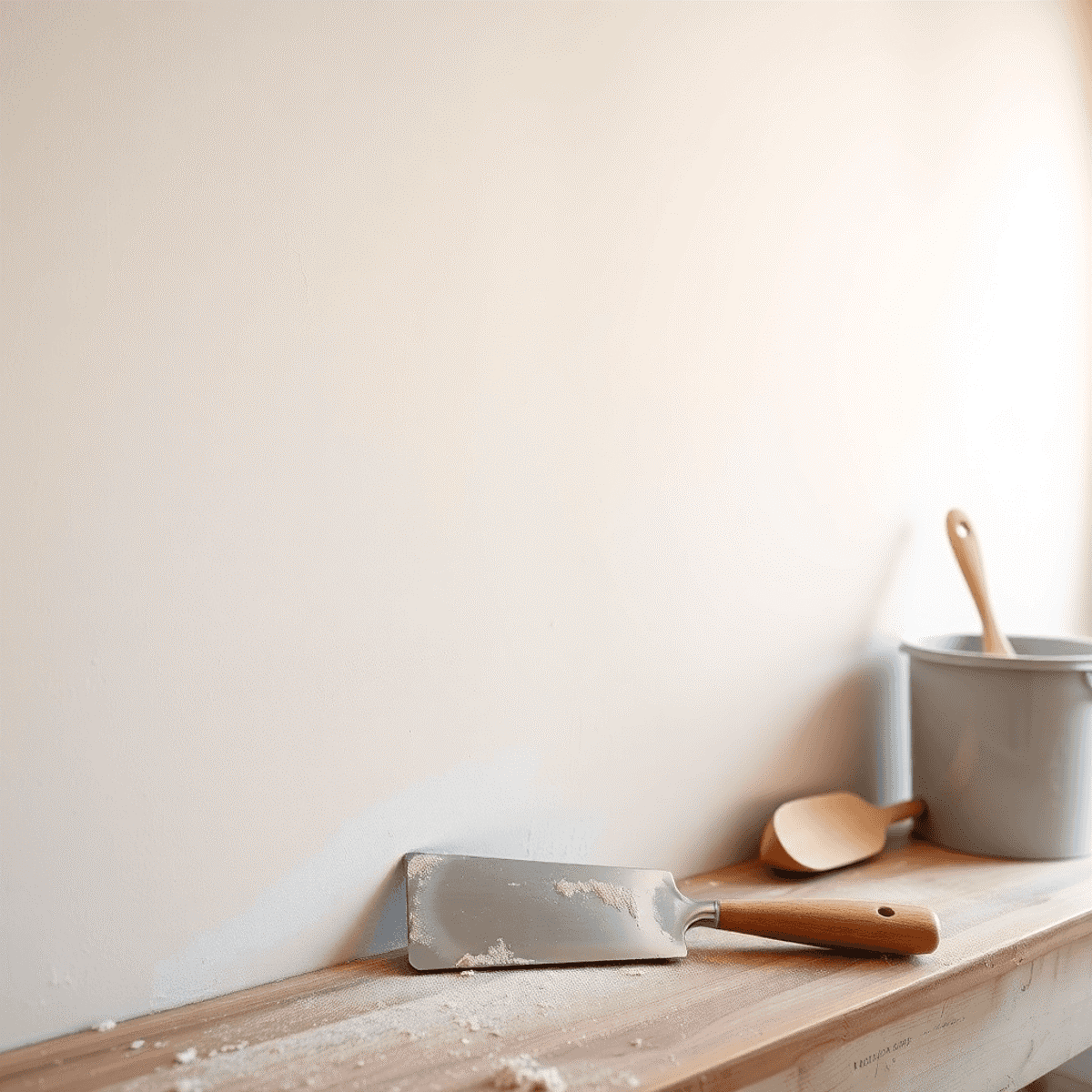
When it comes to achieving a professional finish in wall plastering, having the right plastering tools is crucial. Here’s a breakdown of the essential tools you’ll need:
1. Trowel
The trowel is perhaps the most important tool for plastering. It is used for applying and smoothing plaster onto surfaces. A quality trowel, such as the Marshalltown Permashape Finishing Trowel, offers durability and a comfortable grip, making it easier to achieve a smooth finish.
2. Hawk
This tool acts as a portable surface that holds the plaster while you work. The hawk allows you to carry and dispense plaster efficiently, reducing mess and increasing productivity. Choose one with a comfortable handle and sturdy construction.
3. Bucket Trowel
Specifically designed for scooping plaster out of buckets, this trowel has a broad blade and angled design. It helps transfer plaster from bucket to hawk without spillage, ensuring an efficient workflow.
Tips for Selecting Quality Tools
- Material and Build: Opt for stainless steel trowels to prevent rusting and ensure longevity.
- Comfortable Grip: Ergonomic handles can reduce hand fatigue during lengthy projects.
- Brand Reputation: Investing in reputable brands often results in better performance and durability.
Equipping yourself with high-quality plastering tools not only enhances your efficiency but also contributes significantly to the final outcome of your project.
Mixing and Applying Plaster Techniques
Achieving the right plaster consistency is crucial for successful application. Start by adding plaster to water, not vice versa, to prevent clumping. Aim for a consistency akin to melted ice cream—smooth enough to spread yet firm enough to hold its shape. An electric mixer can help achieve this perfect blend, ensuring the mixture is lump-free.
Common Mistakes to Avoid
- Adding water to plaster, leads to lumps.
- Overmixing, which can introduce air bubbles.
- Ignoring the recommended water-plaster ratio.
Prepping the Wall is another essential step. A PVA solution should be applied to existing plaster or surfaces with low suction. This ensures optimal adhesion and prevents the plaster from drying too quickly.
Application Techniques
- Use a trowel in an upward or downward motion for even coverage.
- Begin at the top corner of the wall and apply consistent pressure as you move downwards.
For smoothing out plaster, fill any gaps with additional material and sweep over the surface with broad strokes. Ensure a uniform finish without excess buildup.
Mastering these techniques for a flawless finish, and maintaining consistent practice will enhance your wall plastering skills significantly.
Layering, Drying Process, and Finishing Touches
Achieving a professional finish in wall plastering hinges on understanding the intricacies of layering, drying, and applying finishing techniques. First coat drying time is crucial; allow it to firm up sufficiently before moving on to the second coat. This ensures better adhesion and prevents the two layers from merging improperly.
To prevent cracking during the drying process, maintain optimal drying conditions by turning off the radiators in the room. Quick drying can lead to undesirable cracks. Dampen drying plaster occasionally to extend its workability, allowing you more time for adjustments.
Addressing corners and imperfections requires attention to detail. Use a paintbrush to smooth out these areas before final troweling. This helps achieve a clean finish without leaving behind unsightly lines or bumps.
Before applying the second coat, ensure that the surface is adequately prepared. Apply a thin layer using smooth, even strokes with your trowel. After both coats are applied, conduct final checks for any visible trowel marks or inconsistencies in texture. A well-executed finish leaves no trace of application lines, resulting in a perfectly smooth surface ready for painting or wallpapering.
Post-Application Care and Maintenance
Maintaining quality work in wall plastering extends beyond application to post-application care. Cleaning tools and buckets between batches is vital to avoid contamination, ensuring each mix remains consistent and effective.
- Remove Dried Flakes: Dried flakes from tools and clothes can compromise the quality of your next batch. Use a stiff brush or scraper to clean trowels and hawks meticulously.
- Regular Tool Maintenance: Wipe down tools with a damp cloth after use to prevent residue build-up, preserving their functionality and lifespan.
By adhering to these practices, you’ll sustain high standards in every project, as outlined in this Comprehensive Guide to Wall Plastering.
Conclusion
Taking on the task of wall plastering is not only a challenge but also an opportunity for personal growth. By improving your DIY skills, you can achieve professional-quality results that enhance the beauty of your space. This detailed guide to wall plastering is a valuable resource, offering the tools and techniques needed to master this craft.
Embrace the practice, and watch as your confidence and competence grow with each project.
If you’re looking for real-world inspiration or professional craftsmanship in action, explore how quality plastering techniques come to life in our featured projects. From modern interiors to creative wall finishes, see how expert plastering can elevate any space.